Arctic filming in Norway

Norway offers some of the most accessible Arctic filming environments in the world — from northern coastal landscapes and winter mountains to the high Arctic of Svalbard.

Filming in Arctic environments

Arctic filming requires careful planning, specialized logistics and strong local knowledge. Winter weather, remote terrain and rapidly changing conditions can affect everything from transport and equipment handling to safety and scheduling. Norway provides a unique combination of dramatic Arctic landscapes and modern infrastructure. International productions can access remote environments while still operating within reliable transport networks and experienced local crews. Typical Arctic filming environments include coastal mountains, frozen landscapes, glaciers, winter forests and northern lights locations across Northern Norway and Svalbard.

Logistics and safety
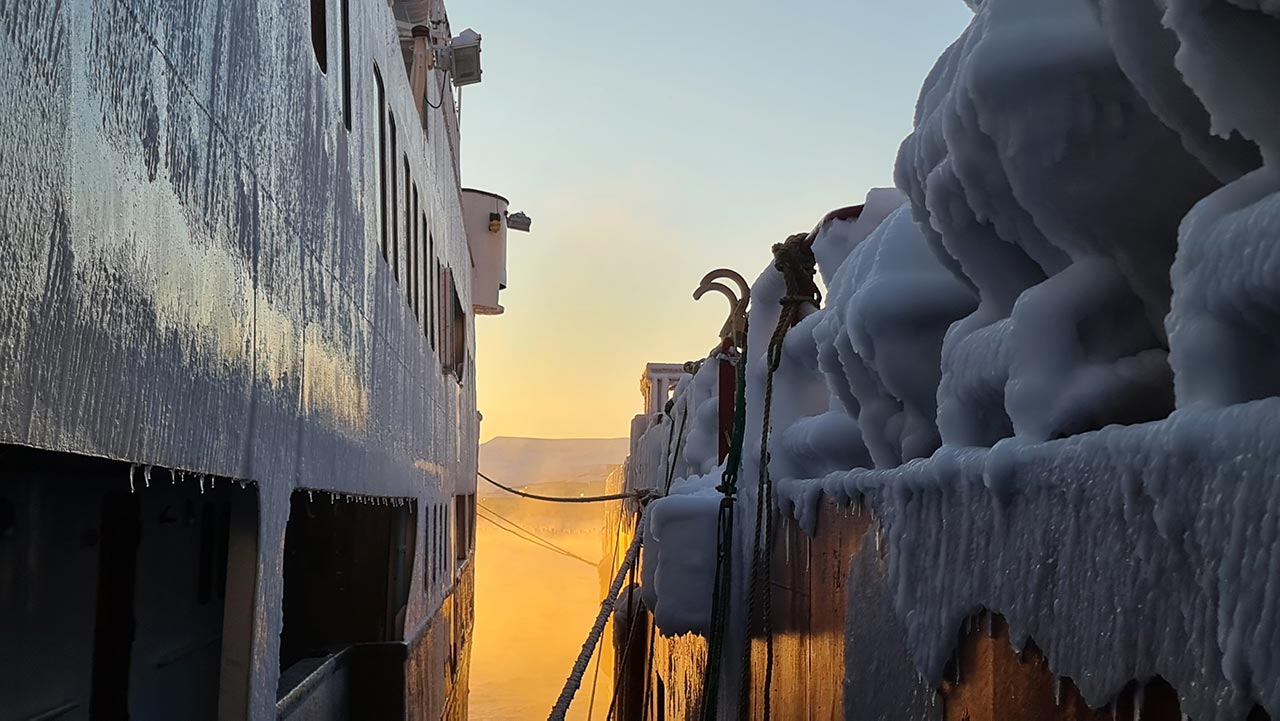
Arctic film production logistics in Norway
Arctic productions often involve complex logistics such as snow transport, marine access, remote location support and cold weather safety planning. We assist productions with location scouting, permits, risk planning and coordination with local authorities and specialized operators when required. This includes identifying suitable locations, evaluating seasonal access and planning safe operations for crews working in Arctic conditions.

Winter filming logistics

Arctic and winter filming in Norway often requires additional planning compared to standard productions. Weather conditions, daylight, terrain and safety considerations can affect both logistics and daily operations.

Transport and access

  • Extra travel time should always be planned during winter conditions
  • Drivers with winter and mountain road experience are recommended
  • Snow, ice and strong winds may affect travel times
  • Winter tires (chains for trucks) are mandatory during the winter season
  • Mountain passes may close during storms
  • Arctic winter storms can affect schedules and transport
  • Snowmobile transport is sometimes required but regulated in many areas
  • Harbour icing may affect vessel operations in northern regions
  • Deck icing and freezing spray can affect marine filming operations

Unit base and field logistics

  • Unit bases often require snow clearing and winter preparation
  • Facilities must be able to handle snow loads and strong winds
  • Weather protected working areas are often required
  • Heated areas for crew recovery are essential
  • Unit base solutions may include heated tents, buildings, vehicles or vessels
  • Evacuation plans should always be prepared for severe weather or whiteout conditions
  • Water systems and generators must be winterized to prevent freezing
  • Fresh water systems and pipes may freeze without insulation
  • Arctic-grade diesel fuel may be required in very cold conditions

Crew safety

  • Proper winter clothing adapted to Arctic conditions
  • Medical support with cold weather and expedition experience
  • Warm shelters and recovery areas at unit base
  • Prevention of frostbite and hypothermia
  • Polar bear protection is mandatory on Svalbard
  • Avalanche risk assessments in mountainous terrain
  • Ice thickness assessments when working on frozen lakes or fjords
  • Glacier operations always require qualified guides
  • Batteries and electronic equipment may lose performance in extreme cold
  • Camera equipment may require controlled acclimatization

Related filming environments