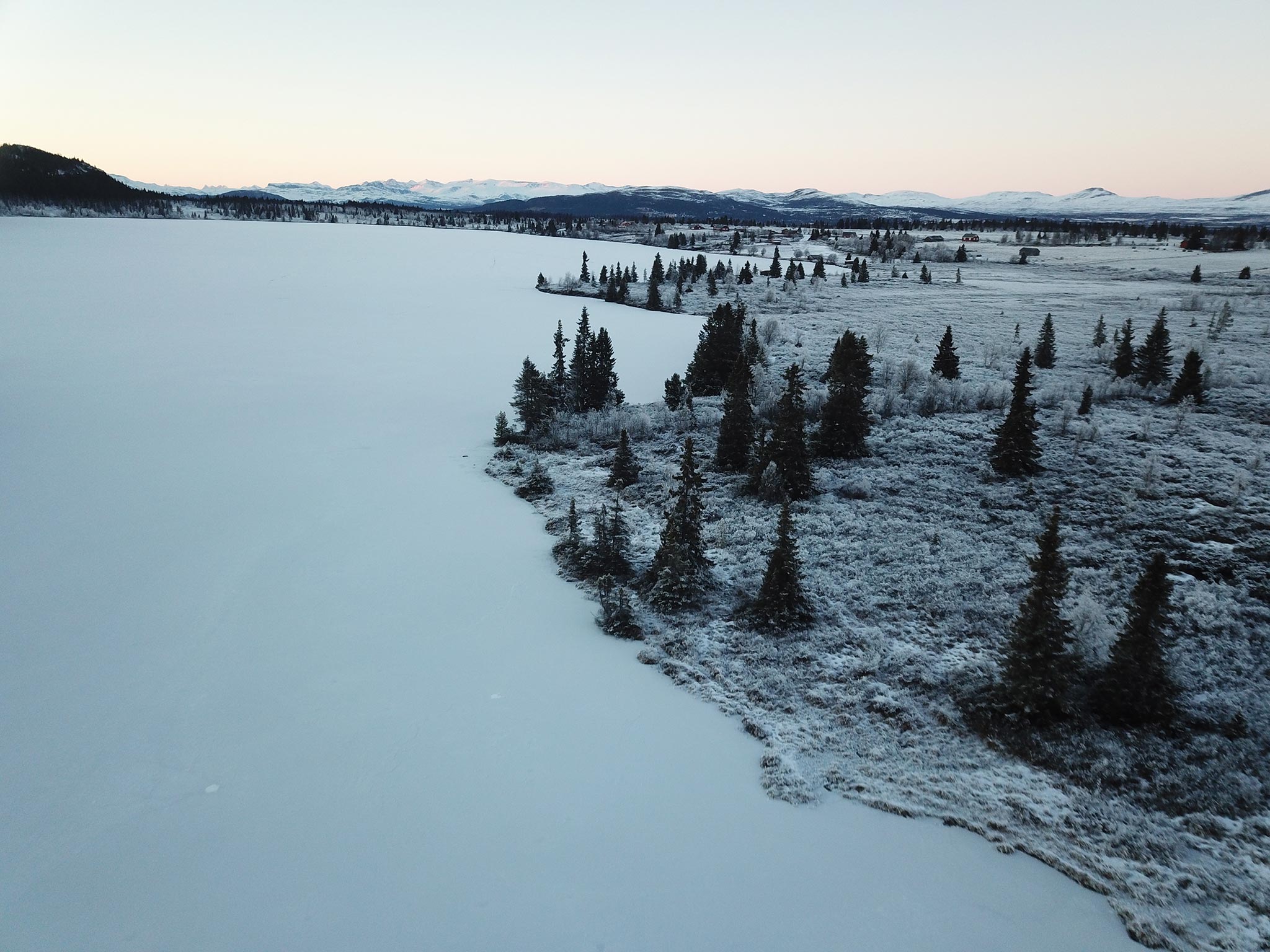
East Norway & Southern Mountain Regions

Forests, plateaus and alpine interiors — scale, seasonality and access at the heart of Norway.

Why East Norway works

East Norway combines wide inland landscapes, mountain plateaus and forested regions with reliable infrastructure and short internal distances. This makes the region highly flexible for productions that need seasonal variation, road-based logistics and controlled access to large natural environments.
The region spans from the alpine terrain of Jotunheimen and Dovrefjell to the rolling hills, lakes and forests of Østerdalen and Hedmark. Oslo forms the primary international gateway, while most locations are reached by road within realistic travel times.
What experience changes:
Choosing the right sub-region and season early allows productions to work efficiently — without overbuilding logistics or underestimating distances.

Production reality

  • Strong road access across most of the region, suitable for truck-based logistics.
  • Oslo serves as the main international entry point for cast and crew.
  • Seasonality is a strength — distinct looks from summer, autumn, winter and spring.
  • Distances are manageable with realistic planning and hub-based accommodation.
  • Mountain areas require seasonal awareness, but are highly accessible in summer and winter.
  • Permits vary by municipality, protected areas and national parks.
  • Smaller and mid-sized crews move efficiently across the region.
  • Forecasting and contingency planning support dependable schedules.

What this region enables

Mountain interiors and plateaus
Jotunheimen, Dovrefjell, Beitostølen and Hardangervidda offer high-altitude terrain, open plateaus and dramatic seasonal contrast.
Forests, lakes and rural landscapes
Østerdalen, Trysil and the eastern forests provide long gravel roads, dense woodland, large lakes and low human density environments.
Historic and cultural environments
Gudbrandsdalen’s traditional architecture, Rjukan’s industrial heritage and rural valleys shaped by agriculture and hydropower.
Winter reliability
Snow-secure areas around Lillehammer, Hemsedal and inland mountain regions support winter shoots with stable access.
Large-scale natural staging
Open terrain suitable for wide shots, long approaches and isolated road sequences.
Wildlife and natural realism
Musk ox on Dovrefjell, reindeer migration zones and landscapes shaped by real use, not tourism staging.

Geographic scope

Locations range from accessible inland hubs to remote mountain and forest regions — often within the same region, but rarely within the same day.
  • Jotunheimen & Lom: alpine peaks, valleys and historic mountain settlements.
  • Dovrefjell: high plateau landscapes and musk ox habitats.
  • Lillehammer region: Olympic venues, winter sports and inland infrastructure.
  • Gudbrandsdalen: rural valleys and traditional Norwegian architecture.
  • Hemsedal & Gol: mountain access with strong winter and summer usability.
  • Telemark & Rjukan: industrial heritage, steep terrain and historic environments.
  • Østerdalen & Trysil: forests, gravel roads and low-density landscapes.
  • Oslo region: primary international gateway and urban support hub.

Operational range

Alpine interiors and high mountain plateaus
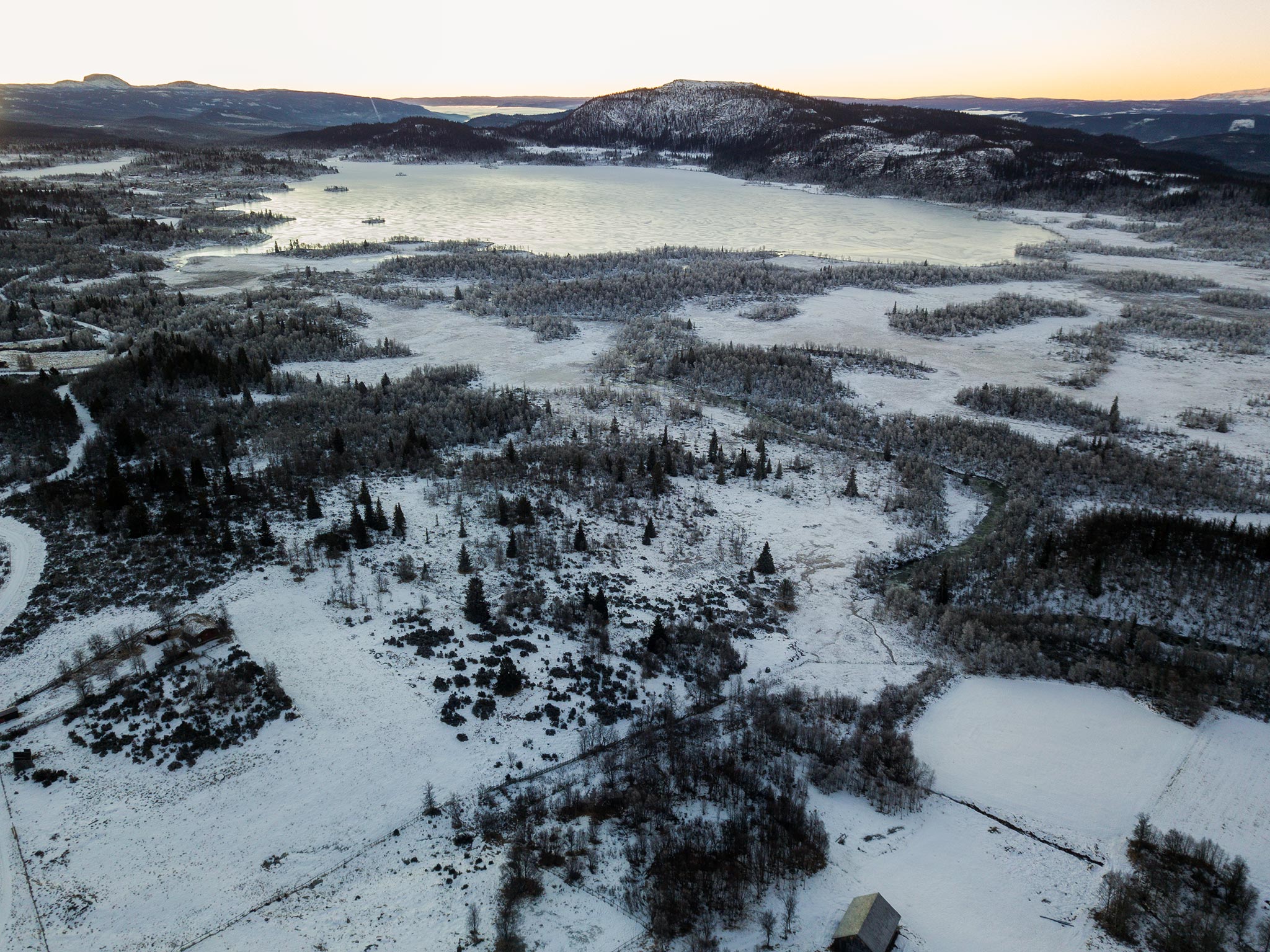
Forests, lakes and inland road systems
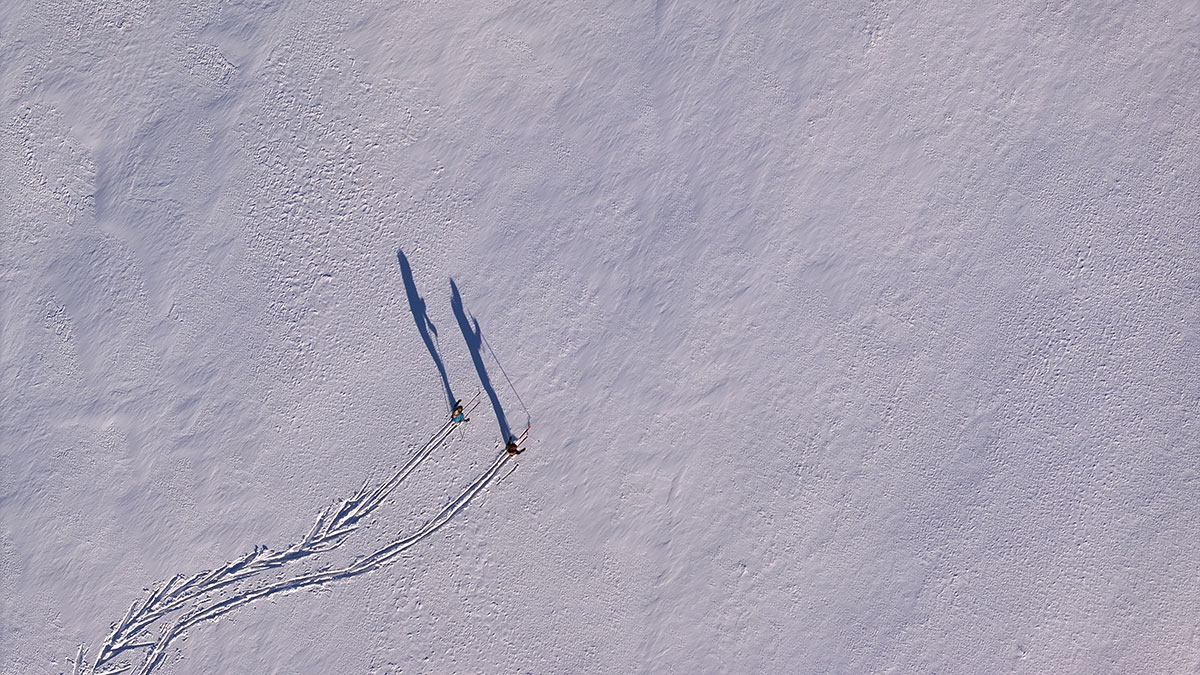
Winter environments with stable access
Looking at other regions?
Each region in Norway presents distinct production realities — from accessible inland landscapes to Arctic coastal environments.
View all regions