High Arctic production — regulated, seasonal and consequential.
Why Svalbard works
Svalbard offers one of the most distinctive Arctic production environments in the world —
defined by extreme seasonal light, glacial landscapes and a tightly regulated operational framework.
When approached with the right timing, scale and preparation, the archipelago is both accessible
and operationally predictable.
Longyearbyen functions as the primary operational hub, with year-round jet-capable airport access,
harbour infrastructure, accommodation and essential services. From here, productions operate outward
by vessel, snowmobile or tracked transport depending on season, terrain and regulatory scope.
What experience changes:
Experience helps align season, transport mode and operational footprint early —
allowing teams to work efficiently and safely within Svalbard’s constraints,
without unnecessary complexity or risk.
Production reality
Extreme seasonal variation defines all activity; timing is critical.
Winter and spring enable snowmobile and tracked travel on frozen ground.
Summer and early autumn rely primarily on marine transport.
Road access is limited to the immediate Longyearbyen area.
All film equipment must be shipped or flown in — local rental availability is limited.
Jet-capable airport with regular flights to mainland Norway.
Clear permitting structures across protected and non-protected areas.
Smaller and mid-sized crews operate most efficiently.
Larger productions are possible with phased logistics and planning.
Polar bear protection is mandatory outside settlements.
Light, seasons and timing
Svalbard’s light cycle is unlike anywhere else in Northern Europe.
Approximately four months of polar night are followed by a rapid transition
into continuous daylight.
From late April until late August, the sun remains above the horizon around the clock,
enabling extended shooting windows and unique visual continuity. Winter offers polar night,
deep blue twilight and true Arctic darkness — conditions that reward careful planning.
Spring and autumn transitions are brief but visually striking, offering long golden hours
and dramatic atmospheric change within compressed timeframes.
What this region enables
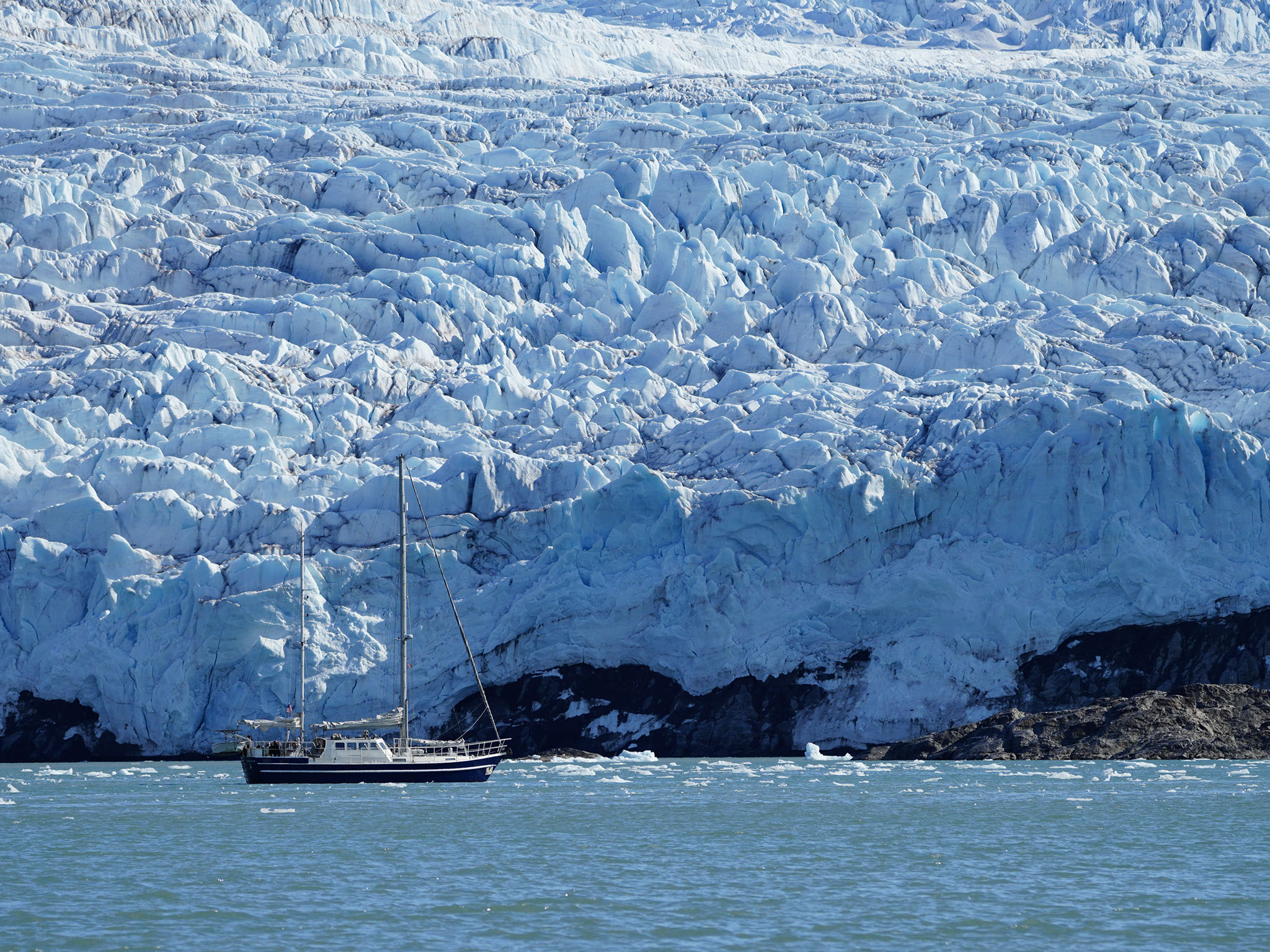
Glaciers calving directly into fjords and open water.
High Arctic mountains with snow cover well into summer.
Uninhabited valleys, plateaus and polar desert landscapes.
Continuous daylight or continuous night — season dependent.
Minimal light pollution and visual clutter.
Historic mining sites and abandoned settlements.
Russian-era architecture in Pyramiden and Barentsburg.
Remote lodges and research outposts.
Marine-based access to ice, fjords and the marginal ice zone.
Wildlife encounters that remain genuinely unpredictable.
Geographic scope
Most activity is staged from Longyearbyen and the Isfjorden system, with access
extending by vessel, snowmobile or expedition transport depending on season.
Locations may be relatively close in distance, but are rarely interchangeable
within the same day.
Areas such as Pyramiden, Nordenskiöldbreen, Isfjord Radio and selected coastal
regions offer strong visual diversity within a manageable operational radius.
More remote destinations require expedition-style planning and support.
Operational range
Glaciers, fjords and Arctic marine environments
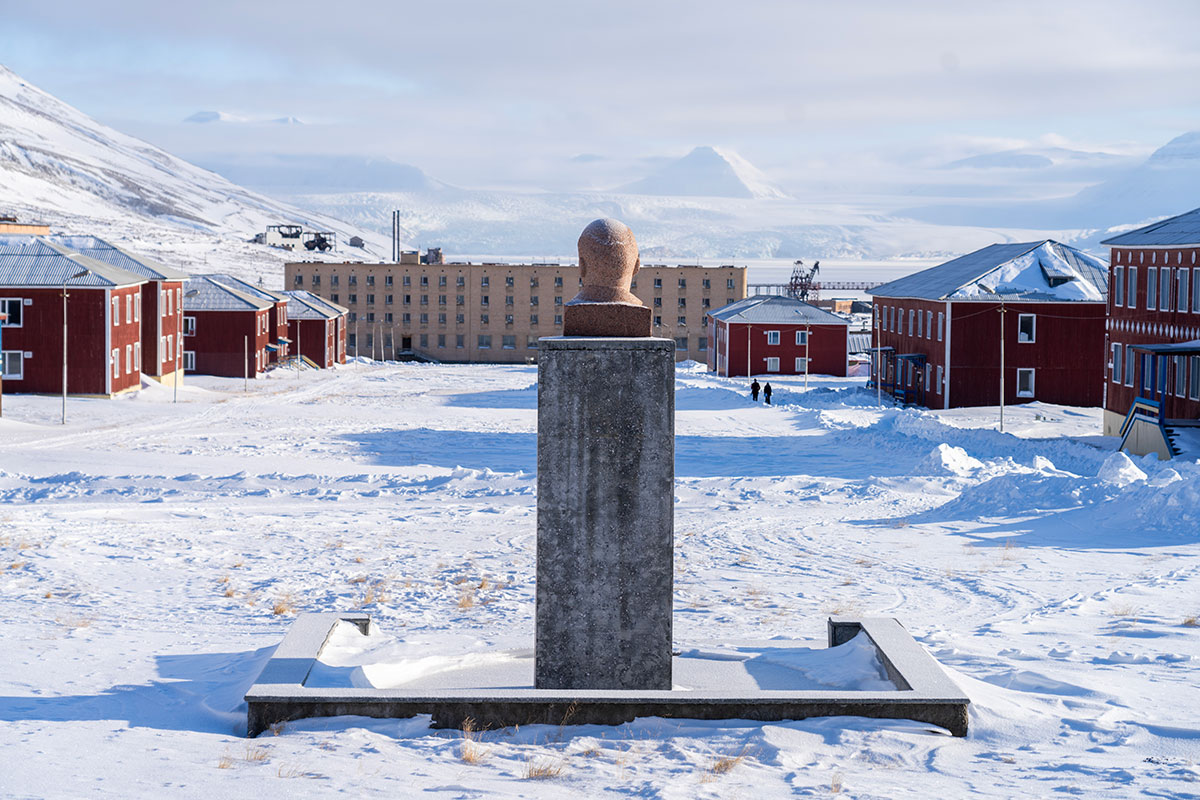
Remote settlements, research stations and lodges
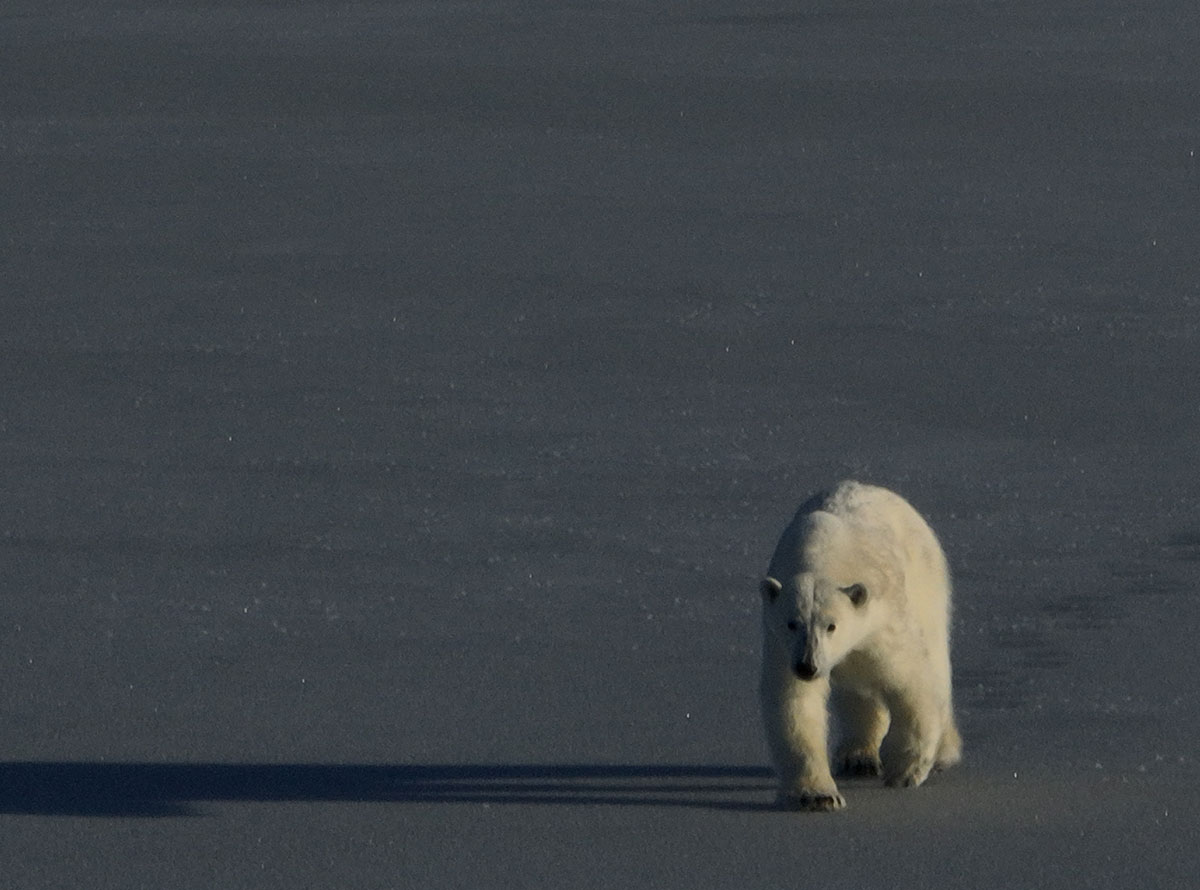
High Arctic terrain with minimal human footprint
Planning a Svalbard production
Svalbard is a protected and highly regulated environment where structure
replaces improvisation. With the right planning, backup strategies and
operational discipline, productions are rewarded with visuals that cannot
be replicated elsewhere.
This is Arctic filmmaking at the edge of what is practical — demanding,
resource-intensive and unforgiving when approached casually, but exceptionally
powerful when executed with care. Our role is to help translate ambition into
a realistic operational framework.